
Unlock Your Inner Artist: 3 Best Pixar Style Image Generation AI Tools for Epic Portraits 2026
Have you ever scrolled through social media and seen those stunning profile pictures that look like they were ripped straight out of a Disney-Pixar movie? You know the ones—big expressive eyes, perfect 3D lighting, and that signature animated charm.
Table of Contents
For years, getting a portrait like that meant hiring a professional illustrator, which could cost hundreds of dollars and take weeks. But thanks to the magic of artificial intelligence, that has completely changed.
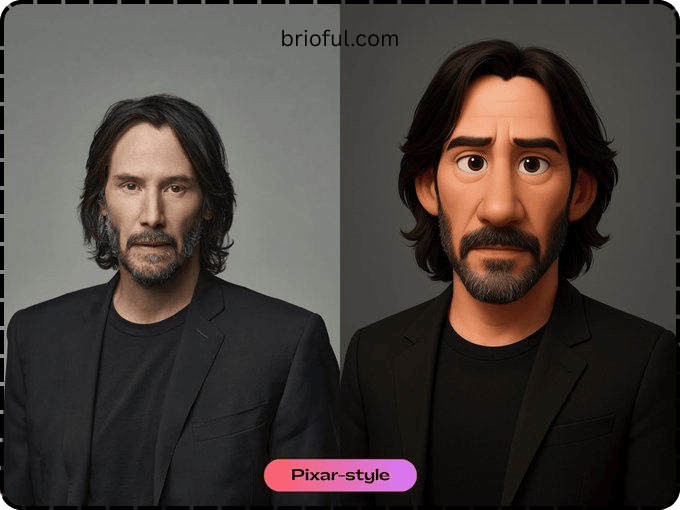
Today, anyone—from a tech-savvy teen to a grandparent wanting a fun new avatar—can create a professional-grade Pixar-style portrait in just seconds. In this post, we are diving into the best pixar style image generation ai tool options available right now. Whether you need a new look for your YouTube channel, a unique LinkedIn profile, or just a fun gift for a friend, we have you covered.
What is a Pixar Style Image Generation AI Tool?
More Than Just a Filter
You might be used to face filters on your phone that add dog ears or change your eye color. However, a dedicated pixar style image generation ai tool works very differently. Instead of just slapping a filter on top of your existing photo, these tools use complex machine learning models to actually re-draw you.
They analyze your facial structure, skin tone, hair, and expression. Then, they generate a brand new image in a 3D animated aesthetic, mimicking the iconic look of studios like Pixar, DreamWorks, or Disney. The result is a high-resolution piece of digital art that looks intentional and polished.
Why This Style is So Popular
Why is everyone suddenly turning themselves into cartoons? It is simple: this style is universally appealing. It looks friendly, approachable, and memorable.
- For Brands: A Pixar-style avatar makes your personal brand stand out in a sea of generic headshots.
- For Social Media: Animated characters grab attention faster than standard photos as people scroll through their feeds.
- For Fun: It is simply enjoyable to see yourself as a character in a story!
Top 3 Pixar Style Image Generation AI Tools in 2026
We tested dozens of tools to find the ones that deliver the best quality, speed, and ease of use. Here are our top three picks.
1. Dreamina – The Best All-Rounder for Beginners
If you have never used an AI image generator before, Dreamina is the perfect place to start. It has gained a massive following for its ability to turn simple selfies into stunning animated portraits with incredible detail.
Key Features:
- Photo-to-Art: Simply upload a selfie, and the AI handles the rest. It pays close attention to your facial features to ensure the final avatar actually looks like you.
- High Resolution: Dreamina exports images in crisp 2K and 4K resolution, making them perfect for printing or using as high-quality profile pictures.
- Text-to-Image: You can also type prompts like “a cheerful grandpa reading a book, Pixar style, soft lighting” to generate characters from scratch.
Best For: Beginners and casual users who want a free, high-quality tool that requires zero technical skill.
2. Ima Studio – For Cinematic and Animated Results
Ima Studio takes things a step further. While it excels at static pixar style image generation, it also allows you to animate your creations. Imagine having a profile picture that can wink at people or a short video clip of your avatar laughing.
Key Features:
- AI Agent: Ima Studio uses an “Agent” that interprets your request and automatically selects the best engine to get the job done.
- Animation Options: Turn your still avatar into a short, looping animation or a talking head video.
- Community Hub: You can browse thousands of public creations to find inspiration and copy the prompts that other users found successful.
Best For: Content creators who want eye-catching, moving graphics for TikTok, Instagram Reels, or video intros.
3. Nano Banana Pro – The Professional’s Choice for Consistency
If you are building a brand for your business or creating avatars for an entire team, consistency is key. Nano Banana Pro offers the most granular control over the image generation process, ensuring every character looks like they belong in the same universe.
Key Features:
- Facial Fidelity: This tool has advanced settings that allow you to control how closely the final image resembles the source photo—perfect for brand recognition.
- Lighting Control: You can adjust virtual lighting setups, just like a real photographer would, to create mood and depth.
- Batch Processing: Create consistent avatars for your whole team at once, saving hours of work.
Best For: Small business owners, marketing teams, and professionals who need a cohesive, polished look across their digital presence.
How to Create the Perfect Pixar-Style Avatar
Ready to try it out? Follow these simple steps to get the best results from any pixar style image generation ai tool.
Step 1: Start with a Great Source Photo
The AI can only work with what you give it. If you are uploading a photo:
- Use a well-lit image. Natural daylight is best.
- Face the camera directly.
- Avoid hats, sunglasses, or anything covering your face.
- A high-resolution photo will yield a better result.
Step 2: Master Your Prompt
If you are using a text-to-image tool, the words you choose matter.
- Do this: “A young woman with curly brown hair, big green eyes, wearing a denim jacket, Pixar 3D style, soft studio lighting, cute smile.”
- Don’t do this: “Make a Pixar person.”
Step 3: Refine and Download
Most tools will give you 2 to 4 variations to choose from. Pick the one you like best. If something is slightly off (like a stray hair), many tools now offer inpainting features that let you fix small details before downloading the final PNG.
Pro Tips for Getting the Best Results
- Lighting is Everything: Even in the AI world, lighting matters. Use words like “golden hour lighting,” “soft key light,” or “cinematic lighting” in your prompts to add depth.
- Focus on the Eyes: The eyes are the window to the soul, even for animated characters. Ensure your final image has “catchlights” (the little white reflection in the eyes) to make the character feel alive.
- Check the Silhouette: A good character design has a clear outline. Make sure the shape of the head and hair is clean and not blending into the background.
Conclusion
The dream of seeing yourself as a beloved animated character is no longer just a fantasy. With the power of AI, it is accessible to everyone.
Whether you choose Dreamina for its ease of use, Ima Studio for its animation capabilities, or Nano Banana Pro for its professional polish, the right pixar style image generation ai tool is just a few clicks away.
Which style will you try first? Share your creations with us in the comments below—we would love to see your inner artist come to life.
1. For the Technology Section: AWS Generative AI Atlas – Image Generation Architecture Patterns
- Why Use It: This is an official AWS documentation resource that provides a deep yet accessible explanation of how image generation models work, including diffusion models, text-to-image architecture, and cross-modal alignment . It is highly authoritative (AWS) and technically accurate, making it perfect for backing up claims in the “What is a Pixar Style Image Generation AI Tool?” section.
- Suggested Placement: In the H2 section “What is a Pixar Style Image Generation AI Tool?” when explaining how these tools “re-draw” images using machine learning rather than simple filters.
2. For the Psychology/Style Section: IEEE Paper – Effects of Human-Likeness of Avatars on Emotion Perception
- Why Use It: This peer-reviewed IEEE paper (2024) examines how humans perceive emotions through avatars of varying realism . It supports the idea that stylized characters (like Pixar-style avatars) are effective for communication because they balance expressiveness with approachability. The paper references foundational research on avatars, credibility, and the Uncanny Valley, which adds academic weight to your article.
- Suggested Placement: In the H3 subsection “Why This Style is So Popular” when discussing why animated characters “grab attention” and feel “friendly and approachable.”
3. For the Legal/Ethical Angle (Optional but Recommended): Bloomberg Law – AI Tool Developers Must Make Systems With Strong Legal Guardrails
- Why Use It: This January 2026 Bloomberg Law article discusses the legal landscape around AI likenesses, including the NO FAKES Act and right-of-publicity concerns . It adds credibility if you want to briefly mention ethical considerations (e.g., ensuring users have consent to upload photos of others). It is timely, authoritative, and comes from a trusted legal news source.
- Suggested Placement: In the “Pro Tips” or conclusion section when reminding readers to use their own photos or respect others’ likeness rights.
Image Ideas
Image 1: The “Before & After” Hero Image
- Visual Concept: A clean, side-by-side comparison. On the left, a high-quality but standard selfie of a smiling person (choose a diverse model to appeal to the US audience). On the right, the AI-generated Pixar-style avatar result, preferably created with Dreamina.
- Why it works: This instantly communicates the value of the article. Users scrolling will stop to see the transformation.
- Suggested Alt Text: “Side by side comparison showing a real person’s photo transformed into a 3D character using a pixar style image generation ai tool.”
Image 2: The “Tool Showcase” Collage
- Visual Concept: A grid or collage featuring three distinct avatars generated by the three tools mentioned (Dreamina, Ima Studio, Nano Banana Pro). Ensure the subjects are diverse in age and ethnicity to resonate with the US demographic.
- Why it works: It visually demonstrates the “Top 3” list and shows readers the variety of results they can expect.
- Suggested Alt Text: “Collage of diverse avatars created with different software, showcasing the range of a modern pixar style image generation ai tool.”
Image 3: The “Prompting Guide” Screenshot
- Visual Concept: A screenshot of a tool interface (like Ima Studio or Midjourney) showing a text prompt box filled with a detailed description. The prompt should be large enough to read: “A grandfather with glasses, warm smile, soft studio lighting, Pixar 3D render, big expressive eyes.” Next to it, the generated image result.
- Why it works: This educates the reader on how to use the tool, making the tutorial section of your article actionable.
- Suggested Alt Text: “Screenshot demonstrating how to write a detailed text prompt for a pixar style image generation ai tool to get cinematic results.”
Image 4: The “Consistency” Brand Example
- Visual Concept: A horizontal banner showing three different avatars (a man, a woman, a child) all rendered in the exact same artistic style. They should look like they belong to the same movie cast.
- Why it works: This visually reinforces the “Pro Tip” about consistency and shows the power of professional tools like Nano Banana Pro for branding.
- Suggested Alt Text: “Example of brand consistency using a pixar style image generation ai tool to create a cohesive team of animated characters.”
Quick Tips for Implementing These Images:
- File Names: Before uploading, rename the image files from
IMG_5042.jpgto something descriptive likepixar-style-ai-before-after.jpg. This helps search engines understand the image content. - Placement:
- Place Image 1 right after the Introduction.
- Place Image 2 next to the “Top 3 Tools” H2 heading.
- Place Image 3 inside the “How to Create the Perfect Avatar” section.
- Place Image 4 inside the “Pro Tips” section.
- Alt Text Length: Keep alt text under 125 characters if possible (screen readers cut off after this point), though the examples above are slightly longer to include the keyword naturally.
Read More About :- Unlock the Power of Visuals: How to Use an AI Image Description Tool for Accessibility & Creativity.
FAQ’s
Do I need artistic skills to use a pixar style image generation ai tool?
Not at all. That is the beauty of these tools. You do not need to know how to draw or use complex software like Photoshop. Most tools work by simply uploading a selfie or typing a text description. The AI does all the artistic work for you in seconds.
Are these AI avatars really free?
Most tools offer a free tier to get you started. For example, Dreamina allows free generations with basic features. However, to download high-resolution images (like 4K) without watermarks, or to generate more images per month, you usually need to purchase a small credit pack or subscription.
Will the avatar actually look like me?
It depends on the tool and the photo you upload. Tools like Nano Banana Pro prioritize “facial fidelity,” meaning they work hard to keep your likeness. If you use a clear, front-facing photo with good lighting, the AI will capture your facial structure, hair color, and expression accurately.
Can I use these avatars for my business logo or YouTube channel?
Yes, you generally can, but you must check the license of the specific tool you use. Most standard plans allow for commercial use (like social media and websites). However, if you plan to print the image on merchandise for sale, you may need a higher-tier commercial license. Always read the terms and conditions.
What is the best lighting for my source photo?
Natural daylight is your best friend. Stand facing a window on a sunny day. Avoid harsh overhead lights that cast shadows on your face. The AI needs to see your facial features clearly to create an accurate avatar.
Why do the AI-generated hands sometimes look wrong?
This is a common quirk in AI image generation! Hands are complex, with many small details and positions. While the latest models (like those in 2026) are getting much better, they can still sometimes add an extra finger or bend a hand strangely. If this happens, try regenerating the image or using the tool’s inpainting feature to fix just the hand.
Can I create Pixar-style images of my pet?
Absolutely! Many of these tools work great with animal photos. You can turn your dog or cat into an adorable animated character. Just upload a clear photo of their face, and use the same style settings.
What is the difference between “Pixar style” and “anime style” in AI tools?
Pixar style refers to 3D rendering with soft, rounded shapes, glossy textures, and realistic lighting (like the movies Toy Story or Finding Nemo). Anime style is usually 2D, with sharper lines, larger eyes, and flatter coloring (like Naruto or Spirited Away). Make sure your prompt specifies “3D Pixar render” if that is the look you want.
Is my data and photo safe with these AI tools?
Reputable tools take privacy seriously. However, you should always check their privacy policy before uploading. Look for tools that state they do not use your uploaded photos to train their public models without your consent. Avoid uploading sensitive or private images.
Can I generate images on my phone?
Yes. Most of the tools mentioned, like Dreamina and Ima Studio, offer mobile-friendly websites or dedicated apps available on the iOS App Store and Google Play Store. You can create your avatar anywhere, anytime.
What should I do if the avatar doesn’t capture my smile correctly?
Try using a source photo where you are already smiling the way you like. You can also add specific words to your text prompt like “big genuine smile,” “teeth showing,” or “happy expression” to guide the AI. If the tool offers a “facial expression” slider, adjust that as well.